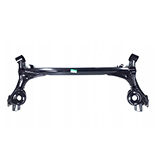
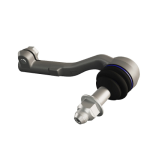
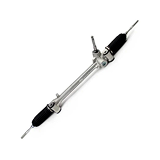








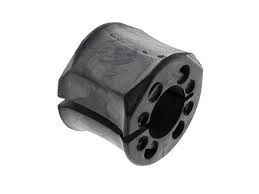
What Are Stabilizers?
Shop our complete catalog of high-quality Stabilizers for your vehicle's suspension.
Definition and Function
Stabilizers, commonly known as anti-roll bars or sway bars, are a critical component of a vehicle's suspension system designed to reduce body roll during cornering.
This essential spare part connects opposite wheels (left/right) through short links, creating torsional resistance to keep your vehicle level and stable when you turn the steering wheel or encounter uneven road surfaces.
By minimizing chassis lean, these components ensure your tires maintain optimal contact with the road, which directly translates to improved handling, greater driver confidence, and enhanced overall safety.
A properly functioning system is fundamental to the predictable and secure performance of any car, truck, or SUV.
Signs of a Failing Stabilizer System
Common Symptoms and Warning Signs
The importance of a well-maintained stabilizer system cannot be overstated.
When components like the stabilizer bar links or bushings wear out, you will notice a significant and often alarming decline in your vehicle's handling characteristics.
Common symptoms of failure include a distinct clunking or rattling sound coming from the undercarriage, especially when driving over bumps or uneven terrain.
You may also experience excessive body lean during turns, making the vehicle feel "wobbly" or less responsive.
In severe cases, a worn-out system can lead to a feeling of looseness in the steering, reducing control and posing a serious safety risk.
Timely replacement of these parts is crucial to restore your vehicle's original ride quality and safety standards.
Components of a Stabilizer Assembly
Stabilizer Bars, Links, and Bushings
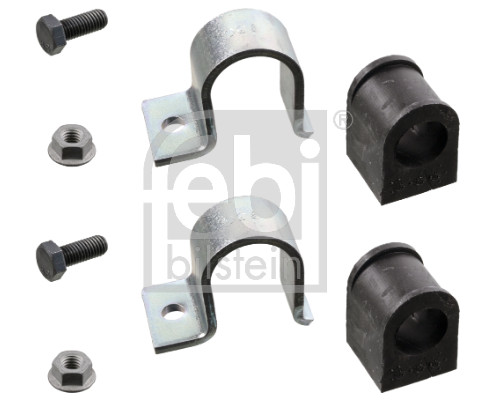
The complete stabilizer assembly consists of several key parts working in unison.
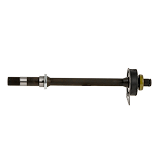
The main component is the stabilizer bar itself, a torsion bar that twists to counteract body roll.
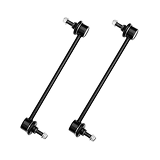
Connecting this bar to the suspension control arms or struts are the stabilizer links (also called sway bar end links or link pins).
These links are critical pivot points and are often the first part to wear out.
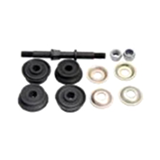
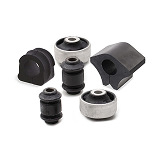
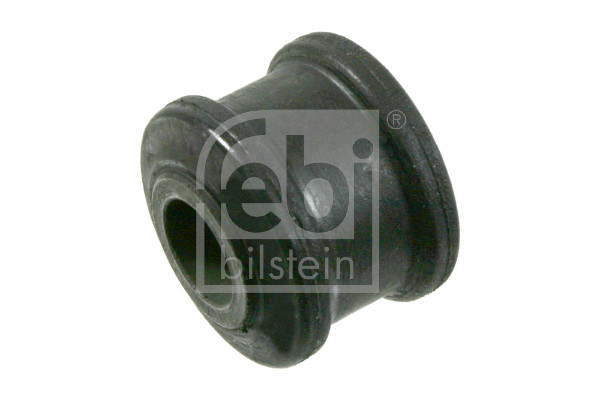
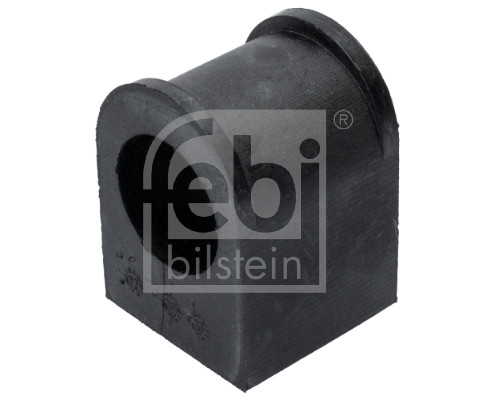
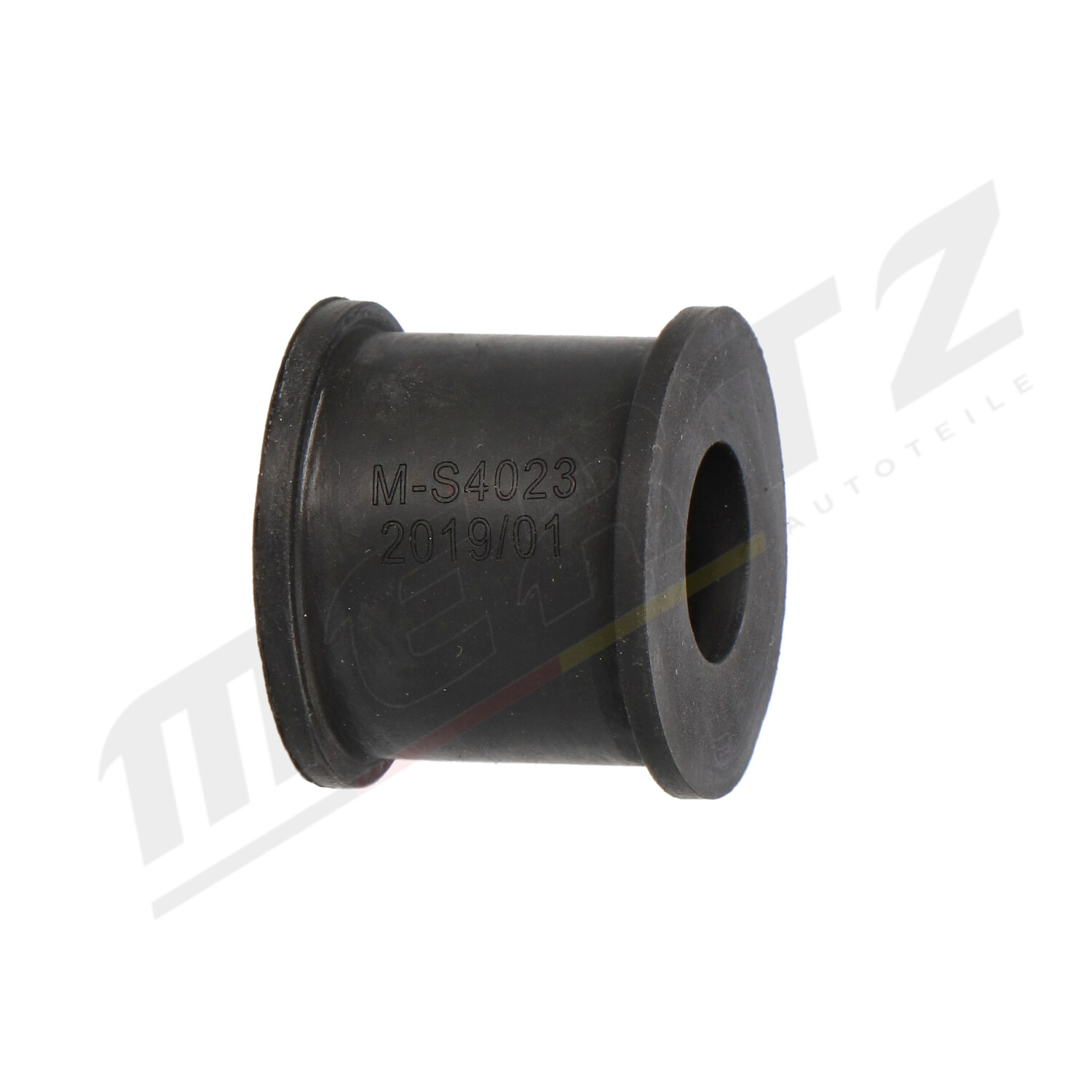
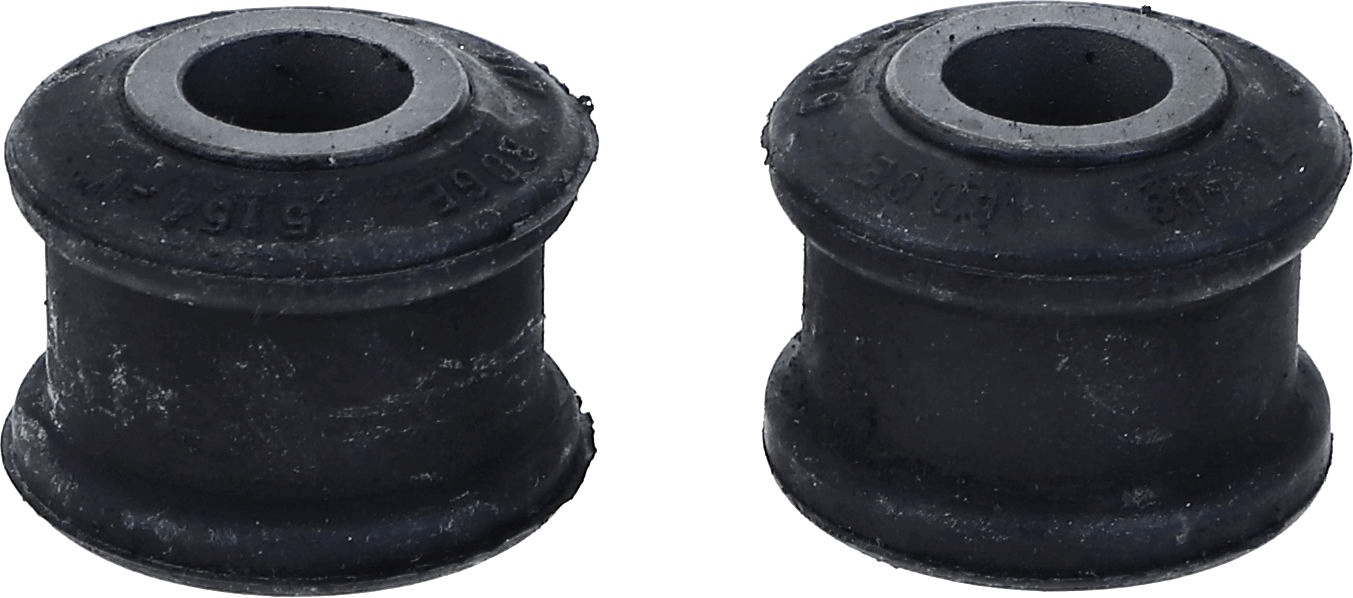
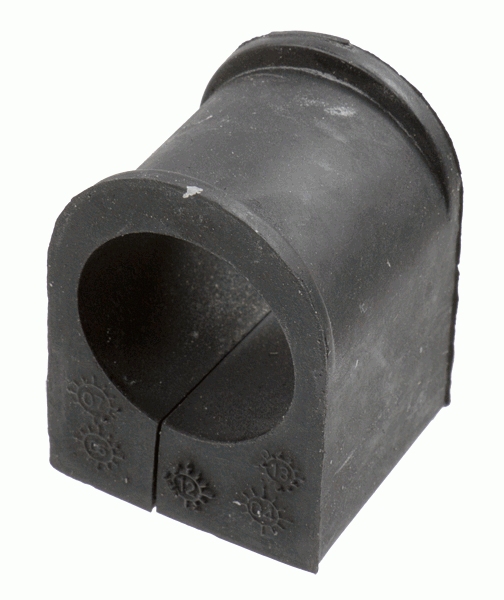
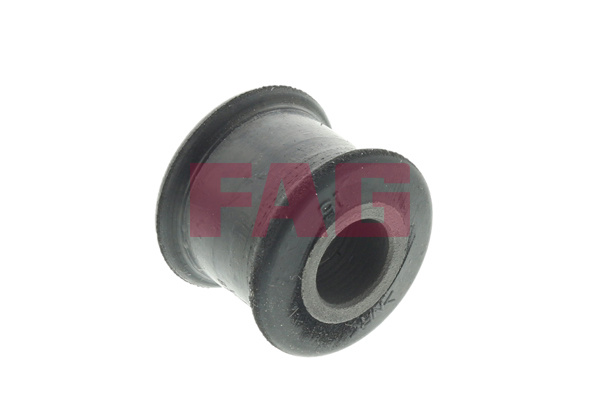
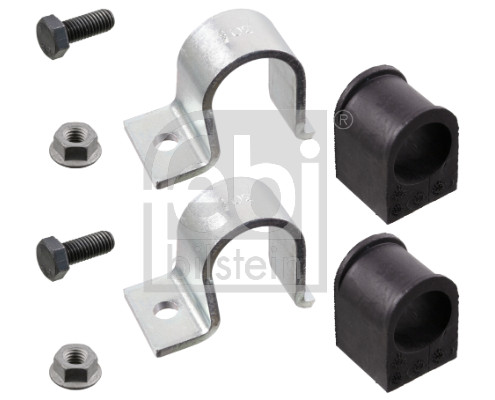
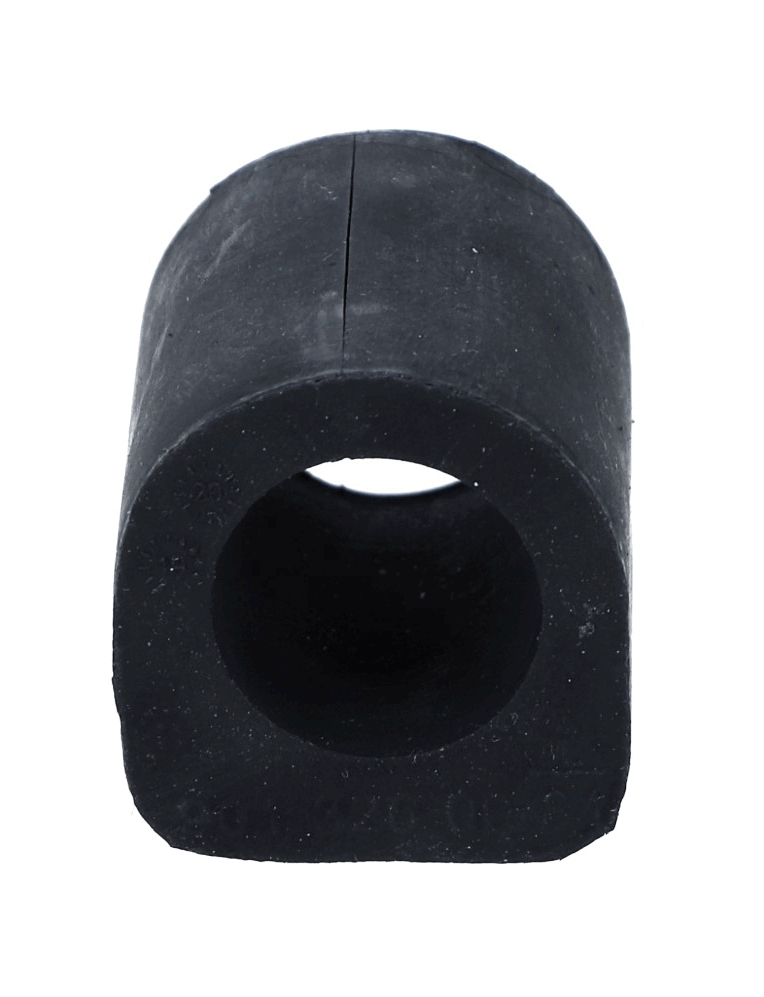
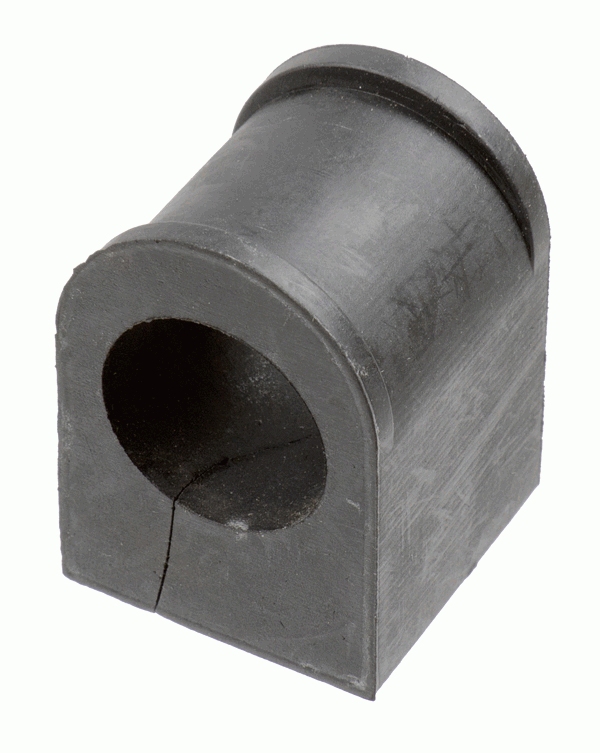
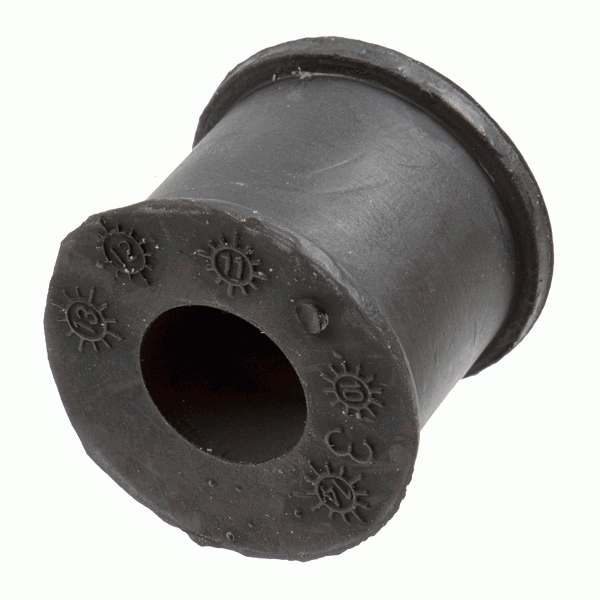
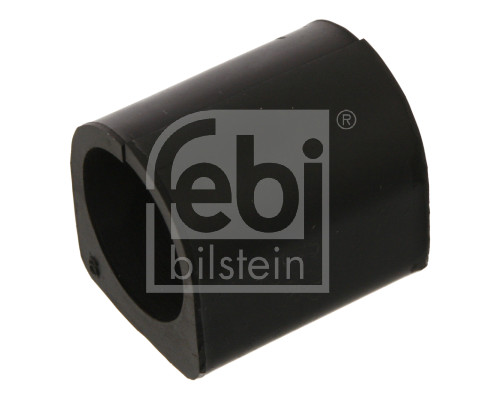
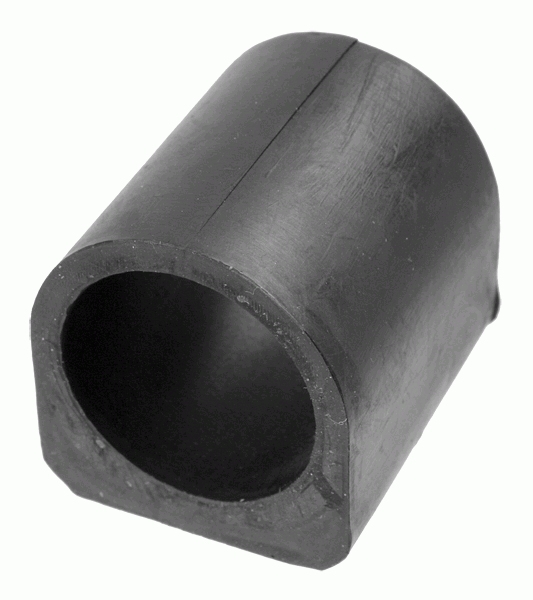
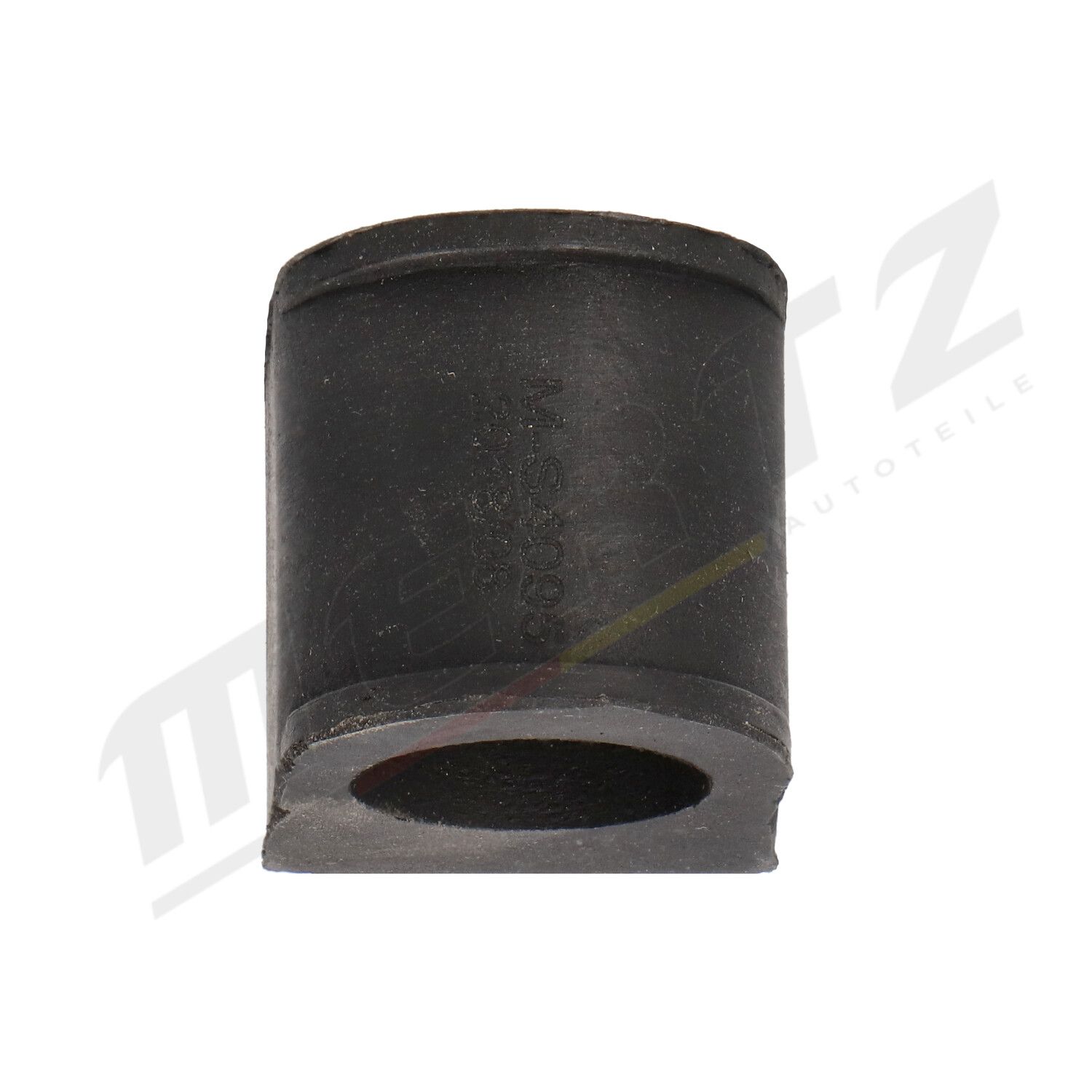
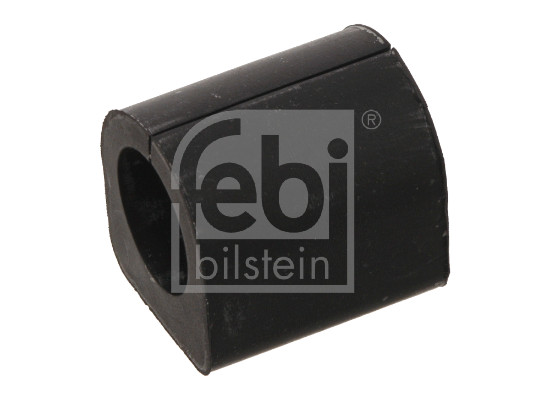
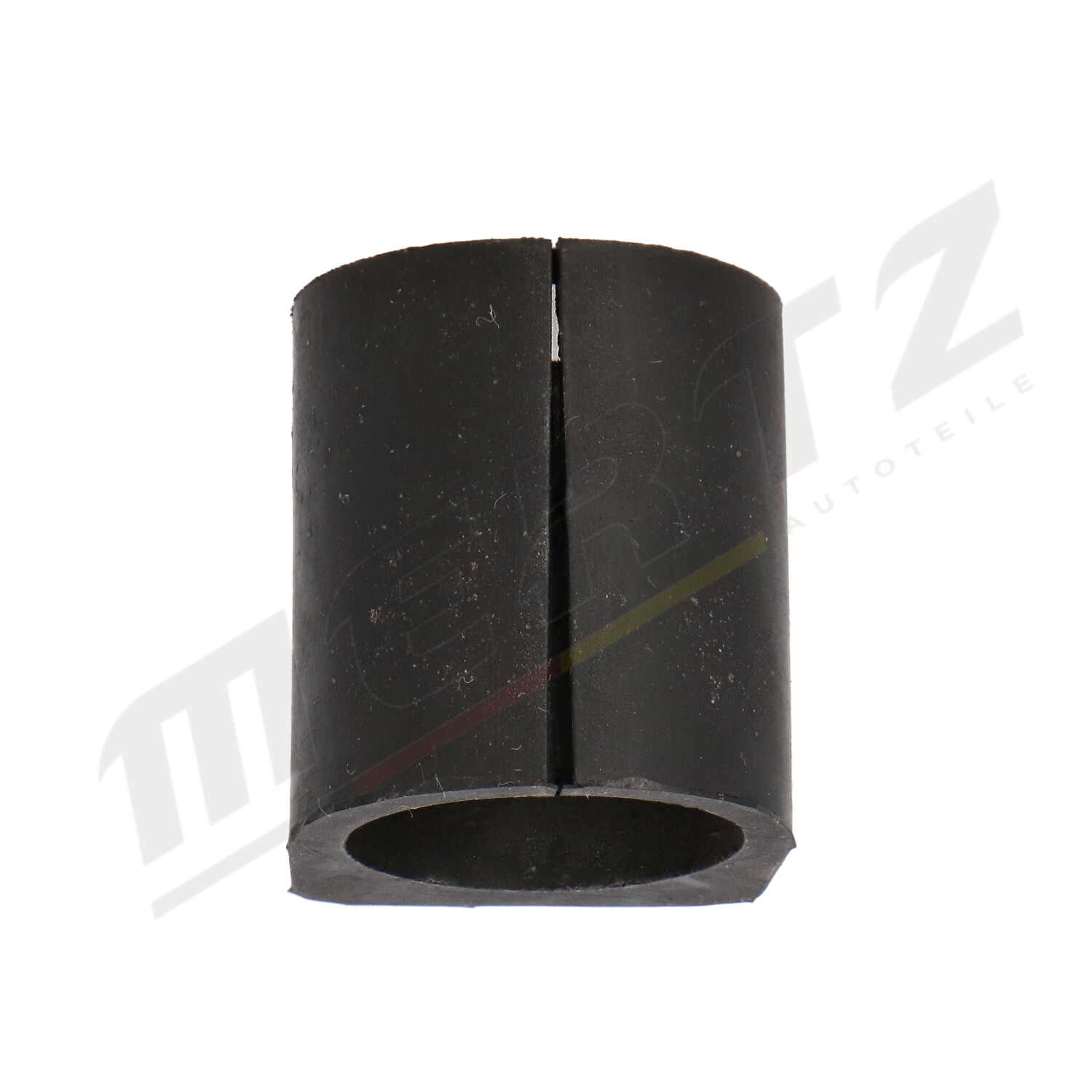
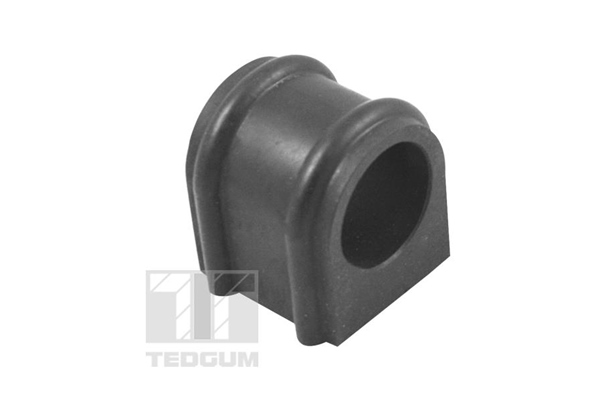
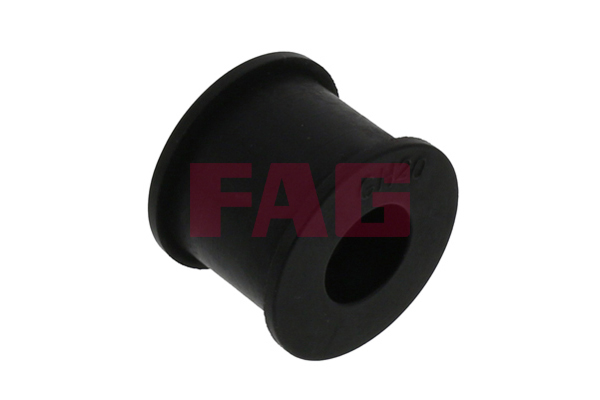
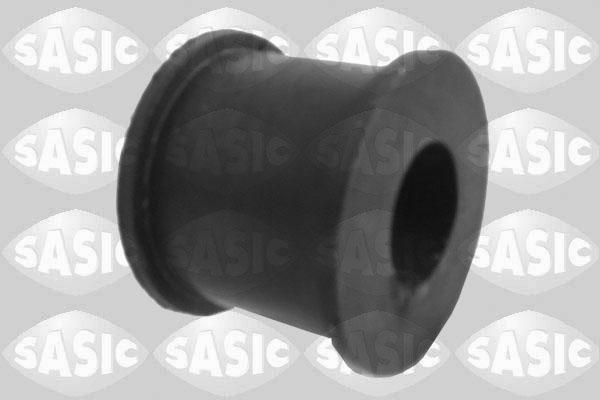
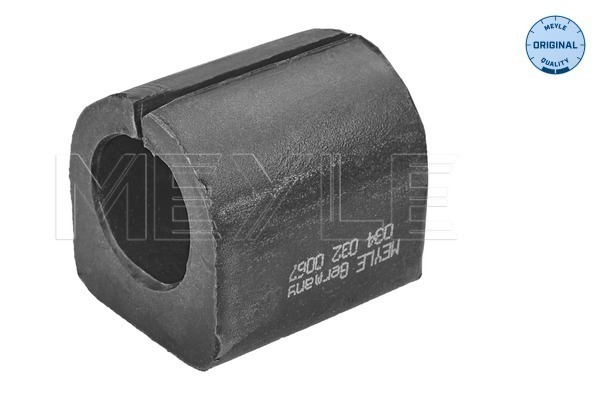
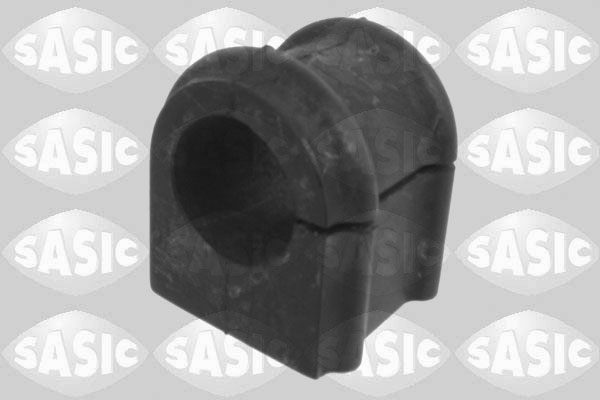
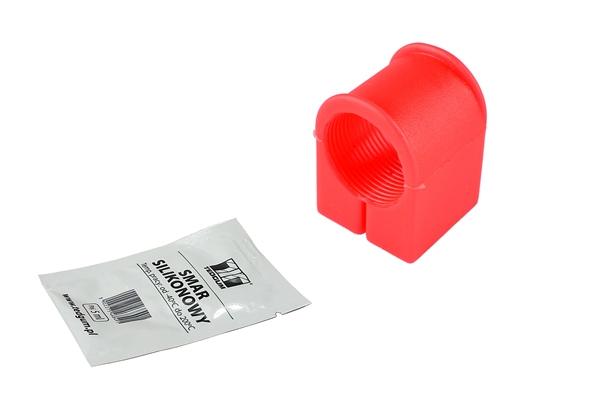
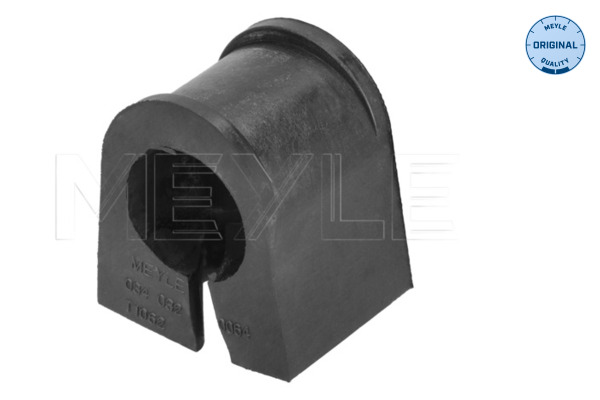
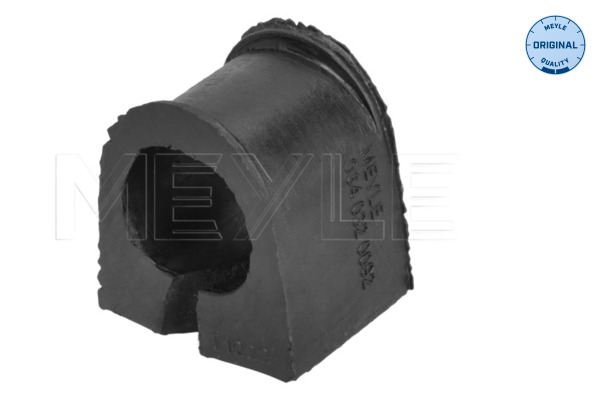
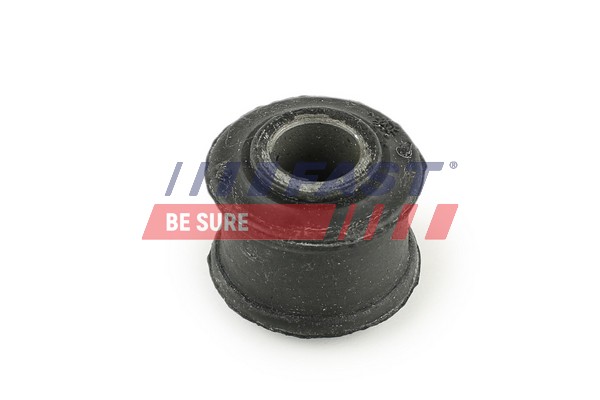
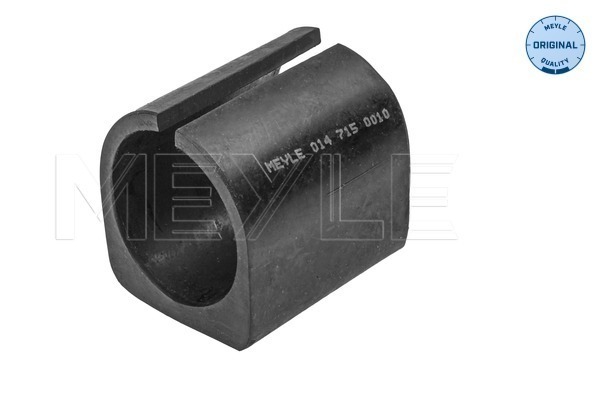
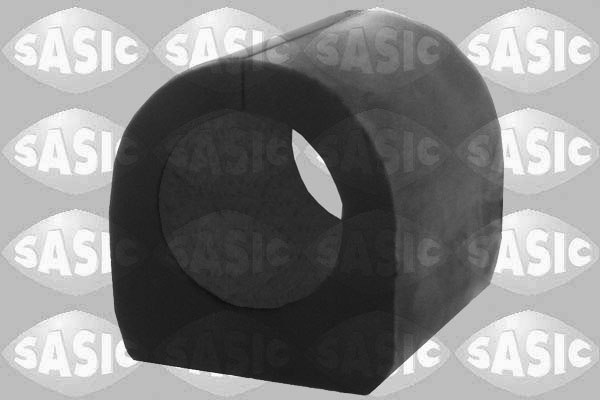
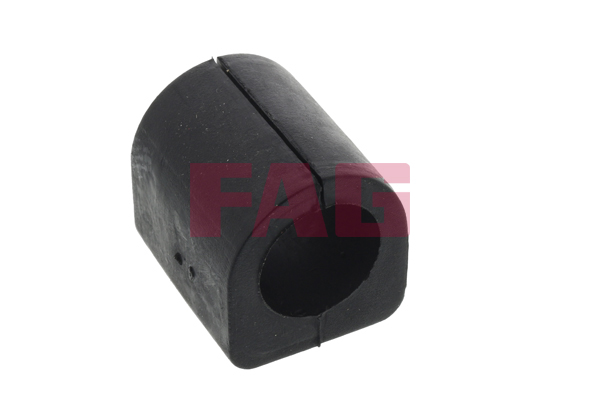
Finally, stabilizer bushings, typically made of rubber or polyurethane, mount the bar to the vehicle's frame, allowing it to twist smoothly while isolating noise and vibration.
When you shop for a replacement, it's important to consider whether you need the entire bar, just the links, or only a new set of quality bushings.
OEM and Aftermarket Stabilizers
Choosing the Right Replacement Parts
When you need to buy replacement parts, you'll encounter two main options: OEM and aftermarket.
- OEM (Original Equipment Manufacturer) Stabilizers are identical to the parts your vehicle was built with at the factory, guaranteeing a perfect, compatible fit and original performance.
- Aftermarket parts are produced by other companies and offer a wider range of choices.
High-quality aftermarket Stabilizers can meet or even exceed OEM specifications, often at a more competitive price point.
Performance-oriented aftermarket options may feature stiffer bars or more durable polyurethane bushings, providing a tangible upgrade in handling for enthusiasts looking for the best Stabilizers for cars with a sportier feel.
Finding Compatible Stabilizers
Vehicle Fitment and Driving Needs
Choosing the correct replacement parts is essential for a successful repair.
To ensure you order a compatible component, it is vital to match the part to your vehicle's specific year, make, and model.
Our online platform simplifies this process, allowing you to filter results precisely for your car.
When you shop, consider your driving style.
For daily commuting, a standard OEM-equivalent replacement is an excellent choice.
If you frequently tow heavy loads or seek enhanced cornering performance, upgrading to a heavy-duty or performance-oriented aftermarket system can provide significant benefits.
Always look for quality materials and positive reviews to ensure a long-lasting and reliable repair.
Buy Stabilizers Online
Easy Ordering and Wide Selection
You can easily and confidently buy Stabilizers online from our extensive inventory.
We provide a comprehensive selection of spare parts for a vast range of domestic and imported vehicles.
Our catalog includes everything from individual stabilizer links and bushing kits to complete bar assemblies.
Ordering online saves you time and provides access to a much larger selection than a typical brick-and-mortar store.
We source our parts from reputable manufacturers, ensuring every product we sell meets stringent quality standards.
Find the exact replacement part you need and have it delivered directly to your door.
Stabilizers for Workshops
Wholesale Supply for Professional Repair Shops
For professional repair facilities and auto service centers, we offer a dedicated program for sourcing Stabilizers for workshops.
We understand that reliability, availability, and cost-effectiveness are paramount for your business.
That's why we provide wholesale pricing on our full range of OEM and aftermarket suspension components.
Stocking high-quality, durable replacement parts ensures you can perform repairs efficiently and guarantee customer satisfaction.
Partner with us to order the dependable parts you need to keep your clients' vehicles safe and handling perfectly, from standard passenger cars to commercial fleets.
Stabilizers for Different Vehicle Types
Cars, SUVs, Trucks, and Commercial Vehicles
The function of Stabilizers is universal across nearly all modern vehicle types, including sedans, coupes, SUVs, minivans, and light trucks.
While the design and stiffness may vary to suit the vehicle's size and intended purpose, the core principle remains the same: to enhance stability.
For instance, a heavy-duty truck or a large SUV will be equipped with a much thicker and more robust stabilizer bar than a compact car to manage its higher center of gravity.
Whether you are performing routine maintenance or a complete suspension overhaul, selecting the right compatible part for your specific vehicle type is the key to a successful outcome.
Inspecting a Worn Stabilizer System
Bushings, Links, and Noise Symptoms
Symptoms of a failing stabilizer system often appear gradually before becoming a major issue.
Beyond the common clunking noises, listen for squeaking or groaning sounds when going over speed bumps, which can indicate dried-out or worn bushings.
A visual inspection can also reveal problems; look for cracked, torn, or missing bushings where the bar mounts to the frame.
Check the stabilizer links for any signs of looseness, broken ball joints, or visible damage.
Addressing these issues early with a quality replacement part prevents further wear on other suspension components and keeps your vehicle safe on the road.
Quality Stabilizer Replacement Solutions
Reliable Performance and Long-Term Safety
When you shop with us, you are choosing a trusted source for automotive spare parts.
We are committed to providing only the highest quality components, whether you select an OEM part or a premium aftermarket alternative.
Our user-friendly website makes it simple to find and order the exact compatible parts for your vehicle, removing the guesswork from your repair project.
We provide detailed product descriptions and specifications to help you make an informed decision, ensuring you get the performance and durability you expect from your new Stabilizers.
Ultimately, your vehicle's stabilizer system is a non-negotiable part of its safety and handling dynamics.
It plays a silent but vital role in every turn you make.
Neglecting worn components can compromise your control over the vehicle, especially in emergency maneuvers.
Restore your car's stability, eliminate annoying noises, and drive with renewed confidence.
Browse our selection today to find the perfect, high-quality replacement Stabilizers and related components to get your suspension system back in peak condition.
FAQ
What are Stabilizers in a vehicle suspension system?
Stabilizers, also known as anti-roll bars or sway bars, are suspension components designed to reduce body roll during cornering. They connect the left and right sides of the suspension system to improve vehicle stability, handling, and overall driving safety.
What are the symptoms of a failing stabilizer system?
Common symptoms include clunking, rattling, or squeaking noises from the suspension, especially when driving over bumps or uneven roads. Drivers may also notice increased body lean, loose steering feel, reduced handling response, or unstable cornering performance.
What parts are included in a stabilizer assembly?
A stabilizer assembly typically includes the stabilizer bar, stabilizer links, and stabilizer bushings. These components work together to control suspension movement, minimize chassis lean, and maintain tire contact with the road.
What is the difference between OEM and aftermarket Stabilizers?
OEM Stabilizers are factory-style replacement parts designed to match the original equipment exactly. Aftermarket Stabilizers may offer improved durability, stiffer performance tuning, or upgraded materials such as polyurethane bushings for enhanced handling.
How do I find compatible Stabilizers for my vehicle?
To ensure proper fitment, you should match the replacement part to your vehicle’s year, make, and model. Using a vehicle compatibility tool helps identify the correct stabilizer bars, links, and bushings for your specific application.
Can worn stabilizer components affect vehicle safety?
Yes. Worn stabilizer links or bushings can negatively impact steering stability, cornering control, and overall suspension performance. Ignoring damaged components may lead to unsafe handling characteristics and accelerated wear on other suspension parts.
Are Stabilizers important for trucks and SUVs?
Absolutely. Larger vehicles such as SUVs, light trucks, and commercial vehicles rely heavily on stabilizer systems to control body roll caused by a higher center of gravity. Heavy-duty stabilizer bars help improve stability during towing, hauling, and emergency maneuvers.
When should stabilizer links or bushings be replaced?
Replacement is recommended when you notice noise, visible cracking, looseness, excessive body movement, or reduced handling performance. Early replacement of worn stabilizer components helps restore ride quality, improve suspension response, and maintain long-term vehicle safety.